
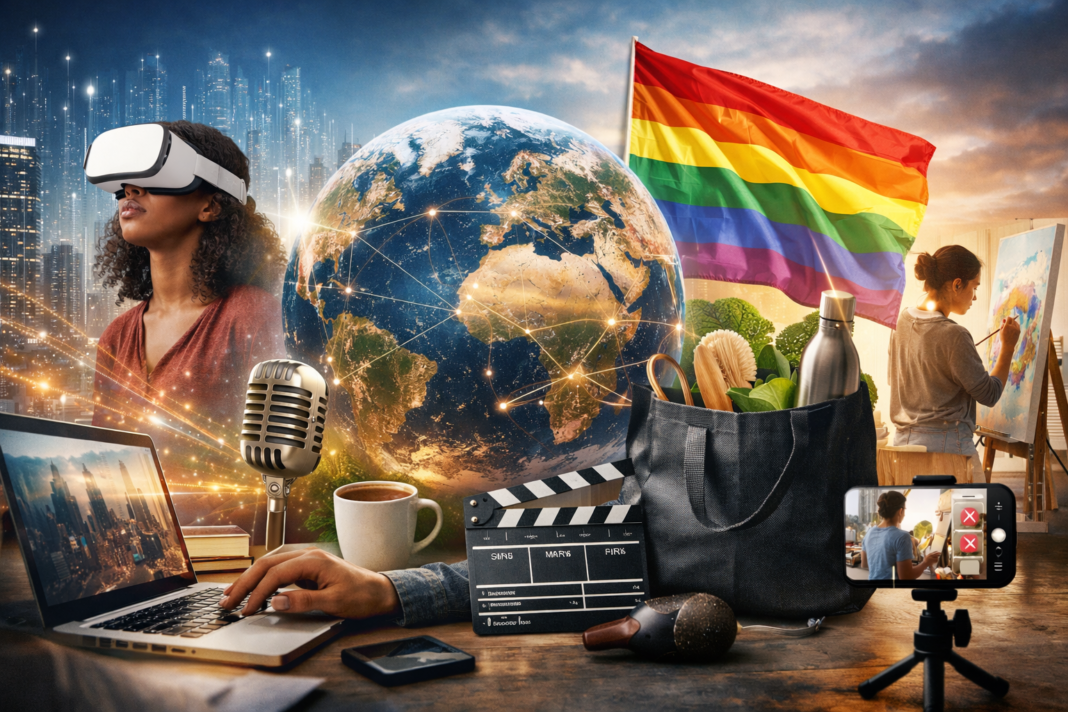

Culture has never been static, but the pace at which it is evolving today is unprecedented. Technology, global connectivity, shifting values, and social movements are reshaping how people think, communicate, work, and express themselves. These changes are not happening in isolation—they are interconnected, influencing daily life, creative industries, business decisions, and even personal identity.
Understanding the cultural trends that are defining the modern era is essential for anyone who wants to stay relevant in a rapidly changing world. From how we consume information to how we define success and community, modern culture reflects deeper transformations in human priorities and behaviors.
1. Digital-First Living and the Blurring of Reality
One of the most defining features of modern culture is the seamless integration of digital technology into everyday life. Smartphones, social media, streaming platforms, and AI-powered tools have reshaped how people interact with the world.
Today, online and offline identities often overlap. Social media profiles influence real-life opportunities, relationships, and self-perception. Virtual spaces are no longer secondary—they are central arenas for communication, activism, learning, and entertainment.
This shift has created a culture where:
- Information spreads instantly
- Trends rise and fall within days.
- Global conversations happen in real time.
While this digital-first lifestyle offers convenience and connection, it also raises questions about attention, privacy, and mental well-being—issues that are now part of mainstream cultural discussion.
2. Individual Identity Over Traditional Labels
Modern culture places a strong emphasis on personal identity and self-expression. People increasingly define themselves beyond traditional categories such as nationality, profession, or social class.
This trend is visible in:
- Personalized fashion and aesthetics
- Diverse gender and identity expressions
- Custom career paths instead of linear job trajectories
The modern era values authenticity. Individuals are encouraged to explore who they are rather than conform to inherited expectations. As a result, cultural norms are becoming more fluid, inclusive, and open to reinterpretation.
3. Global Culture with Local Roots
Globalization has connected cultures like never before, yet it has also sparked a renewed appreciation for local traditions. Modern culture is not about choosing between global and regional—it’s about blending both.
You can see this in:
- Music that mixes regional sounds with global genres
- Fashion inspired by traditional designs with modern styling
- Local storytelling reaching international audiences through digital platforms
This cultural fusion allows communities to preserve their heritage while adapting to global influences, creating a richer and more diverse cultural landscape.
4. Redefining Success and Work Culture
The traditional definition of success—stable job, long hours, and linear promotion—is being questioned. Modern culture increasingly prioritizes balance, flexibility, and purpose.
Key shifts include:
- Remote and hybrid work is becoming mainstream.
- Emphasis on mental health and burnout prevention
- Growing interest in freelancing, entrepreneurship, and creative careers
People now measure success not just by income, but by fulfillment, freedom, and alignment with personal values. This cultural shift is reshaping workplaces, leadership styles, and organizational expectations worldwide.
5. Conscious Consumerism and Ethical Awareness
Modern consumers are more informed and value-driven than ever before. Ethics, sustainability, and social responsibility increasingly influence purchasing decisions.
This cultural trend includes:
- Preference for eco-friendly and sustainable products
- Support for brands with transparent values
- Growing awareness of environmental and social impact
Consumers today don’t just buy products—they buy stories, missions, and principles. As a result, businesses are adapting to cultural expectations that prioritize responsibility over profit alone.
6. The Rise of Visual and Short-Form Storytelling
Attention spans have changed, and so has the way culture is communicated. Visual content—short videos, images, and interactive media—has become the dominant form of storytelling.
This trend reflects:
- A preference for fast, engaging content
- Emotional connection over long explanations
- Creativity over polished perfection
Platforms built around short-form content have become powerful cultural influencers, shaping language, humor, fashion, and even political discourse in the modern era.
7. Mental Health as a Cultural Priority
What was once considered a private issue is now a central cultural conversation. Modern culture increasingly recognizes mental health as essential to overall well-being.
This shift has led to:
- Open discussions about stress, anxiety, and burnout
- Cultural acceptance of rest and boundaries
- Increased demand for supportive environments at work and school
By normalizing mental health awareness, modern culture is redefining strength—not as endurance without limits, but as self-awareness and balance.
8. Creativity Without Gatekeepers
Technology has democratized creativity. Artists, writers, educators, and entrepreneurs no longer need traditional gatekeepers to share their work with the world.
Modern culture thrives on:
- Independent creators and personal brands
- Community-driven platforms
- Direct connections between creators and audiences
This openness has expanded cultural participation, allowing diverse voices to shape narratives that a few institutions once controlled.
Conclusion: A Culture in Constant Motion
The cultural trends that are defining the modern era reveal a world that is more connected, expressive, and self-aware than ever before. Modern culture values individuality, ethical responsibility, creativity, and well-being—while continuously adapting to technological and social change.
Rather than moving in a single direction, culture today evolves through dialogue, experimentation, and shared experiences. Understanding these trends is not just about observing society—it’s about participating in shaping the future we collectively create.