
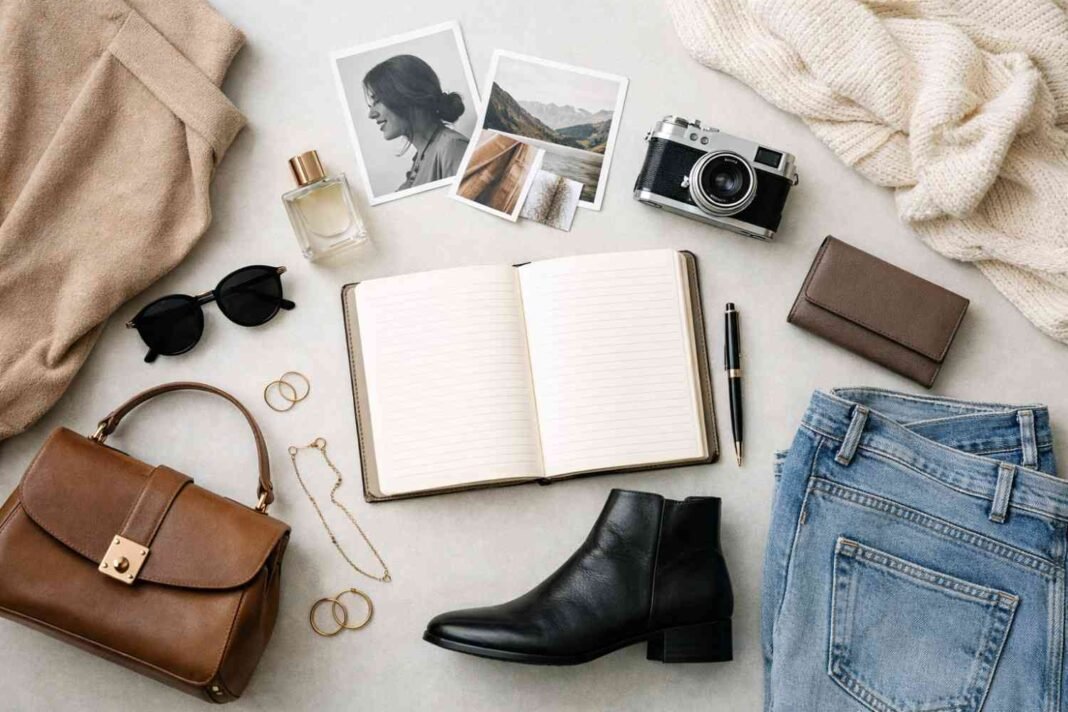

Personal style isn’t about chasing trends or copying what looks good on someone else. It’s about alignment—how you look on the outside, matching who you are on the inside. When your style reflects your identity, getting dressed feels effortless, confidence comes naturally, and your presence speaks before you ever say a word.
In a world saturated with fast fashion and ever-changing aesthetics, building a personal style that truly represents you can feel overwhelming. But the process doesn’t require a perfect wardrobe or a designer budget. It involves self-awareness, intention, and patience.
This guide will walk you through how to create a personal style that feels authentic, sustainable, and unmistakably yours.
What Personal Style Really Means (And What It Doesn’t)
Personal style is often misunderstood as a fixed “look” or a narrow category—minimalist, edgy, classic, bohemian. In reality, it’s much more fluid.
Personal style is:
- A visual expression of your values, lifestyle, and personality
- Something that evolves as you grow
- A tool for self-expression, not self-restriction
Personal style is not:
- Unthinkingly following trends
- Dressing for validation
- Imitating influencers head-to-toe
When style reflects identity, it feels comfortable and intentional. You don’t feel like you’re wearing a costume—you feel like yourself.
Step 1: Understand Your Identity Before Your Wardrobe
Before you think about clothes, think about you.
Ask yourself:
- How do I want to feel in my clothes—confident, relaxed, powerful, creative?
- What roles do I play daily (professional, parent, student, artist, entrepreneur)?
- What values matter most to me—simplicity, creativity, sustainability, tradition?
Your answers become the foundation of your style. Someone who values freedom and creativity may gravitate toward layered textures and bold details, while someone who values clarity and structure may prefer clean lines and neutral palettes.
Style without self-knowledge is just decoration.
Step 2: Audit Your Current Closet Honestly
Your closet already holds clues to your identity.
Go through your clothes and separate them into three categories:
- You love and wear it often.
- You like but rarely wear
- You never wear
Focus on the first group. These pieces reveal:
- Preferred colors
- Favorite silhouettes
- Comfortable fabrics
- Repeating patterns
Instead of asking, “Is this fashionable?” ask, “Do I feel like myself in this?”
That question alone can transform how you shop and dress.
Step 3: Define Your Core Style Elements
Rather than chasing an aesthetic label, define core elements of your style.
Examples:
- Tailored but relaxed
- Neutral base with one bold detail
- Vintage-inspired with modern structure
- Practical, comfortable, and polished
These elements act as filters when you shop. If a piece doesn’t align with at least one core element, it doesn’t belong—no matter how trendy it is.
This approach creates consistency without limiting creativity.
Step 4: Dress for Your Real Life, Not an Imaginary One
One of the biggest style mistakes is building a wardrobe for a life you don’t actually live.
If you work from home, prioritize elevated comfort.
If you’re always on the move, focus on versatile layers.
If your days vary, build outfits that transition easily.
When your clothing matches your lifestyle, getting dressed becomes simpler—and your style becomes more authentic.
Step 5: Use Color, Fit, and Texture to Tell Your Story
Clothing communicates before words do.
- Color reflects mood and energy.
- Neutrals suggest calm and clarity.
- Bold tones convey confidence and creativity.
- Fit reflects intention
- Structured fits suggest authority.
- Relaxed fits suggest openness.
- Texture adds personality
- Linen, wool, leather, denim—each sends a different message.
You don’t need dramatic pieces to express identity. Even subtle choices can speak volumes.
Step 6: Build Slowly and Intentionally
Personal style isn’t built in a weekend.
Instead of impulse buying:
- Invest in pieces you can style multiple ways.
- Prioritize quality over quantity.
- Leave room for your style to evolve.
Some of the strongest personal styles are built over years, not seasons.
When you stop rushing the process, your wardrobe starts to feel more meaningful—and less cluttered.
Step 7: Let Go of “Rules” That Don’t Serve You
Fashion rules are often outdated, restrictive, or irrelevant to personal identity.
You don’t need to:
- Dress your age
- Follow seasonal color rules.
- Stick to one aesthetic.
The only rule that matters is whether your style feels honest.
Confidence doesn’t come from perfection—it comes from alignment.
Why Personal Style and Identity Are Deeply Connected
When your style reflects your identity:
- You spend less time second-guessing outfits.
- You feel more grounded and confident.
- You show up more authentically in work and relationships.
Style becomes a form of self-respect rather than self-performance.
It’s not about being noticed—it’s about being recognized.
Final Thoughts: Your Style Is a Living Expression
Building a personal style that reflects your identity is not about reaching a final destination. It’s an ongoing conversation between who you are and how you choose to show up in the world.
Permit yourself to evolve.
Permit yourself to experiment.
And most importantly, permit yourself to dress in a way that feels true.
Because the most powerful style statement you can make is authenticity.
Frequently Asked Questions
How long does it take to develop a personal style?
There’s no set timeline. Some people gain clarity quickly; others refine their style over the years. What matters is intentional progress.
Can my personal style change over time?
Absolutely. As your identity evolves, your style should evolve with it.
Do I need to follow trends to have good style?
No. Trends are optional. Personal style is about consistency and authenticity, not popularity.