
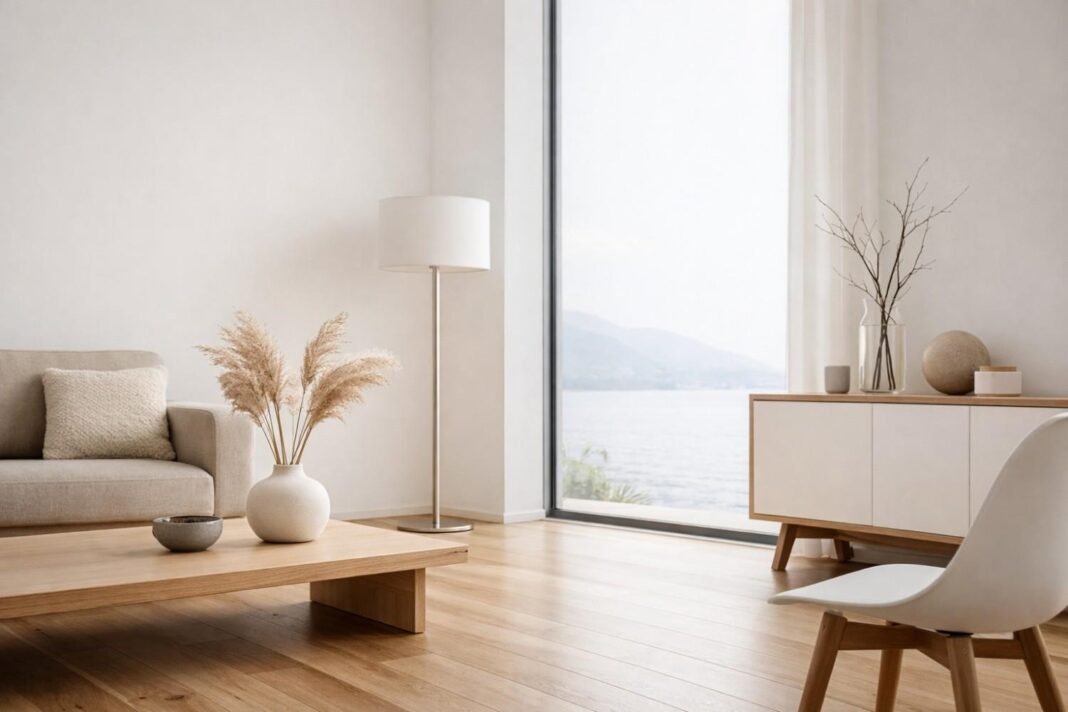

Minimalism is no longer just a design trend—it’s a cultural shift. From fashion runways to interior spaces, digital products to personal wardrobes, minimalism is quietly reshaping how modern style looks, feels, and functions. In an era defined by excess information and constant consumption, simplicity has become the ultimate form of sophistication.
So why is minimalism resonating so deeply today? And how exactly is it redefining modern style across industries? Let’s explore.
The Rise of Minimalism in a Maximalist World
Modern life is loud. Endless notifications, visual clutter, fast fashion cycles, and overcrowded living spaces have created a collective craving for clarity. Minimalism answers that craving by offering restraint, intention, and calm.
Unlike past trends that focused on ornamentation and novelty, minimalism emphasizes purpose over excess. Every element earns its place. This philosophy aligns perfectly with today’s desire for balance, sustainability, and mental well-being.
Minimalism isn’t about having less for the sake of it—it’s about choosing better.
How Minimalism Is Redefining Modern Style in Fashion
1. Quality Over Quantity
Modern minimalist fashion prioritizes well-made garments that last. Clean silhouettes, neutral palettes, and timeless cuts replace fast-changing trends. Consumers are investing in fewer pieces that work harder across multiple settings.
A tailored blazer, crisp white shirt, or perfectly fitted trousers can now define personal style more than an overflowing closet.
2. Neutral Doesn’t Mean Boring
Minimalist fashion embraces whites, blacks, beiges, and muted tones—but texture, structure, and fit do the talking. Subtle details like fabric weight, stitching, and drape create visual interest without noise.
This shift has redefined modern style as quietly confident rather than attention-seeking.
3. Gender-Fluid and Functional Design
Minimalism naturally supports versatility. Many modern minimalist designs blur traditional gender lines, focusing instead on comfort, adaptability, and form. Style becomes inclusive, wearable, and practical.
Minimalism in Interior Design: A New Definition of Luxury
Space as a Feature
In minimalist interiors, space isn’t wasted—it’s intentional. Open layouts, uncluttered surfaces, and thoughtful furniture placement create rooms that breathe. This approach redefines luxury as calm and spacious, not ornate or expensive.
Natural Materials and Honest Design
Wood, stone, linen, concrete, and glass dominate minimalist interiors. These materials age gracefully and connect modern spaces to nature. Rather than hiding imperfections, the minimalist style celebrates authenticity.
Function First, Always
Every object has a purpose. Storage is discreet. Decor is meaningful. The result is a home that supports daily life instead of overwhelming it.
Digital Minimalism and Modern Aesthetics
Minimalism has also transformed digital style. Websites, apps, and branding now favor:
- Clean layouts
- Generous white space
- Simple typography
- Limited color schemes
This isn’t just about aesthetics—it improves usability. Users can focus, navigate faster, and engage more deeply. Modern style in the digital world is now defined by clarity and ease, not visual overload.
Why Minimalism Aligns With Sustainability
One of the most powerful reasons minimalism is redefining modern style is its connection to sustainability.
- Buying less reduces waste.
- Choosing durable products lowers consumption.
- Timeless design prevents trend-driven disposal.
As consumers become more environmentally conscious, minimalist style offers a responsible alternative to disposable culture—without sacrificing beauty or individuality.
Minimalism as a Lifestyle, Not Just a Look
Modern minimalism extends beyond what we wear or how our homes look. It influences how we live.
- Curated routines instead of packed schedules
- Meaningful possessions instead of impulse buys
- Intentional choices instead of automatic habits
This mindset shift has redefined modern style as something deeply personal. Style is no longer about impressing others—it’s about aligning outward choices with inner values.
How to Embrace Minimalist Modern Style (Without Starting Over)
You don’t need to throw everything away to adopt minimalism. Start small:
- Edit before you add – Remove what no longer serves you.
- Choose versatile pieces – In clothing, furniture, and decor.
- Focus on fit and function – Not labels or trends.
- Let space exist – Visually and mentally.
- Buy intentionally – Ask why before you buy
Minimalism works best when it evolves naturally with your lifestyle.
The Future of Modern Style Is Intentional
Minimalism isn’t fading—it’s maturing. As technology accelerates and choices multiply, the desire for simplicity will only grow stronger. Modern style is moving away from excess and toward meaning, longevity, and thoughtful design.
Ultimately, how minimalism is redefining modern style comes down to this:
It replaces noise with clarity, consumption with intention, and trends with timelessness.
And in a world that’s constantly asking for more, choosing less has never felt more powerful.