
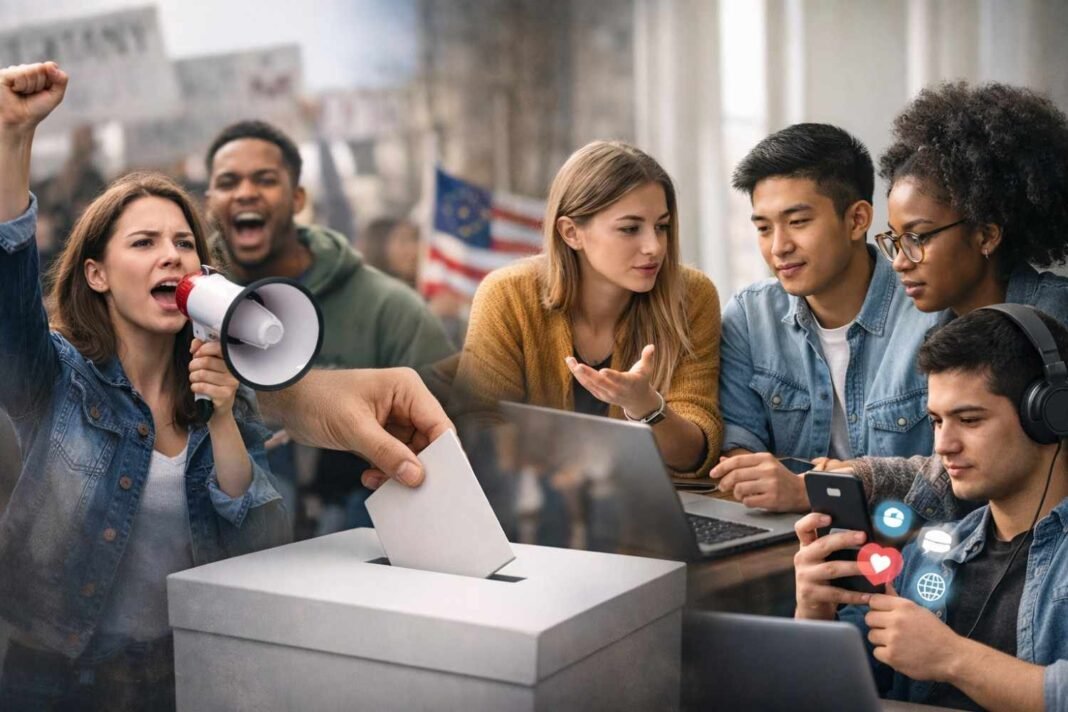

Politics has never been a static arena. Every generation reshapes it, challenges it, and pushes it forward. In today’s rapidly evolving world, the role of youth in modern politics has become more significant than ever before. Young people are no longer content with being passive observers or future leaders “in waiting.” Instead, they are active participants—organizing movements, influencing elections, shaping public discourse, and redefining what political engagement looks like in the 21st century.
From climate activism and digital advocacy to grassroots organizing and policymaking, youth involvement is transforming political systems across the globe.
Why Youth Participation in Politics Matters More Than Ever
Young people make up a substantial portion of the global population. In many countries, citizens under 30 represent the largest demographic group. Ignoring their voices is not only undemocratic—it is politically shortsighted.
Youth participation matters because:
- They inherit the consequences of today’s political decisions.
- They bring fresh perspectives to long-standing political challenges.
- They challenge outdated systems and demand accountability.
- They drive innovation in political communication and mobilization.
Modern politics is increasingly shaped by issues that directly affect younger generations, such as climate change, education reform, employment opportunities, mental health, and digital rights. Naturally, young people are stepping up to influence policies that define their future.
Digital Media and the Political Power of Youth
One of the most defining aspects of youth involvement in modern politics is their mastery of digital platforms. Social media, online forums, podcasts, and video content have become powerful political tools—and young people lead this digital revolution.
Through platforms like X (Twitter), Instagram, YouTube, and TikTok, youth can:
- Mobilize supporters within hours.
- Challenge misinformation in real time.
- Hold political leaders publicly accountable.
- Build global movements beyond borders.
Hashtag activism, online petitions, and digital campaigns have proven capable of influencing public opinion and even policy decisions. While critics argue that online activism lacks depth, countless real-world movements have emerged from digital spaces—showing that online engagement often serves as the gateway to offline action.
Youth-Led Movements Changing the Political Landscape
Across continents, youth-led movements have reshaped national and international political agendas.
Examples include:
- Climate justice movements are demanding sustainable policies.
- Student-led protests for education reform
- Campaigns for racial equality, gender rights, and social justice
- Youth-driven voter registration initiatives
These movements share a common trait: they are issue-driven rather than party-driven. Many young people are less loyal to political parties and more focused on values, transparency, and tangible outcomes.
This shift is forcing political institutions to adapt—or risk losing relevance.
The Role of Youth in Elections and Voting Behavior
Historically, young voters were often labeled as politically disengaged. That narrative no longer holds. In recent elections worldwide, youth voter turnout has increased significantly, particularly when elections focus on issues that resonate with younger citizens.
Young voters tend to:
- Support reform-oriented or non-traditional candidates.
- Demand ethical leadership and transparency.
- Reject divisive rhetoric and identity politics.
- Advocate for inclusive and future-focused policies.
Political parties that fail to engage youth meaningfully often struggle to maintain long-term relevance.
Barriers Youth Face in Political Participation
Despite their growing influence, young people still encounter obstacles in modern politics.
Common challenges include:
- Limited access to political institutions
- Lack of representation in leadership positions
- Economic pressures that reduce civic engagement
- Dismissal of youth opinions as “inexperienced.”
In many systems, politics remains dominated by older generations, making it difficult for young leaders to rise. Overcoming these barriers requires institutional reforms, mentorship opportunities, and policies that actively encourage youth participation.
Youth as Policymakers and Leaders
Youth involvement is no longer limited to activism. Increasingly, young people are becoming legislators, policy advisors, mayors, and members of parliament. Their leadership styles often differ from traditional political norms—emphasizing collaboration, transparency, and public engagement.
Young leaders tend to:
- Prioritize long-term policy impacts.
- Engage directly with citizens.
- Use data and technology to inform decisions.
- Embrace inclusive governance models.
Their presence challenges the outdated assumption that political competence is tied to age rather than insight, empathy, and skill.
Education and Political Awareness Among Youth
Youth who are politically engaged are shaped in large part by civic education. Young people are empowered to participate responsibly when they have access to reliable information, critical thinking abilities, and open political discourse.
Media outlets, civil society organizations, and educational institutions all support:
- Political literacy
- Voter awareness
- Understanding democratic processes
- Encouraging respectful political debate
When youth are informed, their participation strengthens democracy rather than destabilizing it.
The Future of Politics Belongs to the Youth
The role of youth in modern politics is not a passing trend—it is a structural shift. As political challenges grow more complex and global in nature, the perspectives and energy of young people are essential.
Youth are redefining politics as:
- More participatory
- More transparent
- More values-driven
- More connected across borders
Rather than asking whether young people are ready for politics, modern societies must ask whether political systems are prepared for youth.
Conclusion
The role of youth in modern politics is reshaping power structures, redefining civic engagement, and influencing the direction of global policy. Through activism, digital innovation, voting, and leadership, young people are proving that they are not just the leaders of tomorrow—they are the changemakers of today.
Political systems that embrace youth voices will thrive. Those who ignore them risk becoming obsolete.