
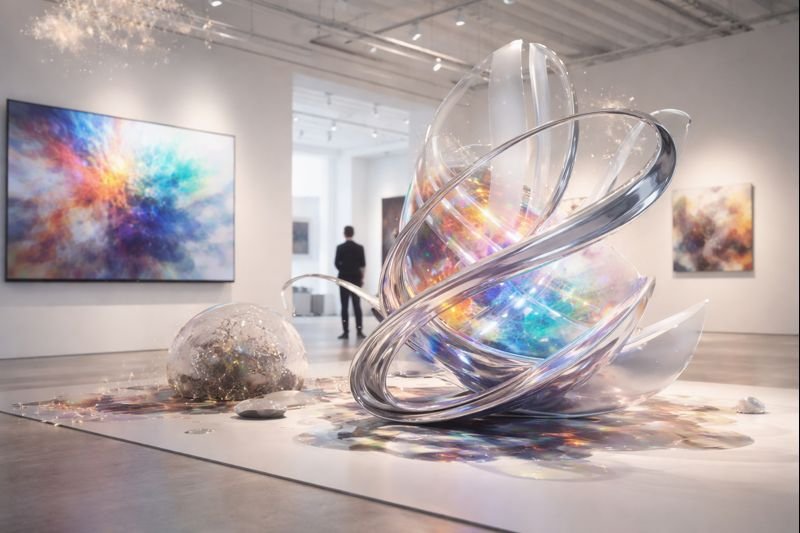

Creativity has never been a fixed concept. Throughout history, it has evolved alongside culture, technology, and society itself. In the 21st century, contemporary art is redefining creativity in bold and unexpected ways—challenging traditional boundaries, embracing new media, and inviting audiences to participate in the creative process.
Unlike classical or modern art, contemporary art reflects the complexity of today’s world. It is fluid, experimental, and deeply connected to social change. From digital installations to socially engaged practices, contemporary artists are reshaping what it means to create—and to experience art.
What Is Contemporary Art?
Contemporary art refers to artworks produced from the late 20th century to the present day. Rather than adhering to a single style or philosophy, it encompasses a wide range of practices, including painting, sculpture, performance, video, digital art, and mixed media.
What truly sets contemporary art apart is not the materials used, but the ideas behind the work. Concept, context, and conversation often matter more than technical perfection. This shift alone has transformed traditional definitions of creativity.
Breaking Traditional Artistic Boundaries
For centuries, creativity in art was associated with mastery of technique—perfect brushstrokes, realistic proportions, and strict rules of composition. Contemporary art disrupts these expectations.
Today’s artists frequently:
- Blur the line between art and everyday life.
- Combine multiple disciplines into a single work.
- Reject conventional aesthetics in favor of meaning and message.
A pile of objects, a silent performance, or an interactive digital space can now be considered art if it effectively communicates an idea. Creativity is no longer confined to skill alone—it thrives in experimentation and risk-taking.
Creativity as Concept, Not Just Craft
One of the most profound ways contemporary art is redefining creativity is by prioritizing conceptual thinking. The idea behind the artwork often carries more weight than the final visual result.
Conceptual art asks viewers to think:
- Why was this created?
- What question is the artist asking?
- How does this reflect our world today?
This intellectual engagement transforms creativity into a dialogue rather than a one-sided display. The audience becomes an active participant, completing the artwork through interpretation.
The Role of Technology in Contemporary Creativity
Technology has become one of the most powerful tools in contemporary art. Digital platforms, artificial intelligence, virtual reality, and augmented reality have expanded creative possibilities far beyond the physical canvas.
Artists now create:
- Immersive VR experiences
- AI-generated artworks
- Interactive installations responsive to viewers
- NFTs and blockchain-based art
These innovations redefine creativity as adaptive and collaborative, often involving machines, data, and audience interaction. Art is no longer static—it evolves in real time.
Redefining the Artist’s Role
In contemporary art, the artist is no longer just a creator but also a researcher, curator, activist, and storyteller. Many artists work collaboratively with scientists, engineers, communities, and institutions.
This shift challenges the romantic idea of the “lone genius” and replaces it with a more inclusive vision of creativity—one that values shared knowledge and collective experience.
Social and Political Engagement as Creative Expression
Another defining feature of contemporary art is its deep engagement with social and political issues. Artists address topics such as climate change, identity, inequality, migration, mental health, and the impact of technology on society.
In this context, creativity becomes a tool for:
- Raising awareness
- Encouraging dialogue
- Challenging power structures
- Inspiring social change
Art is no longer separate from the world—it is embedded within it. This fusion of creativity and responsibility reflects how contemporary art mirrors modern life.
Audience Participation and Interactive Creativity
Unlike traditional art forms that position viewers as passive observers, contemporary art often invites participation. Interactive installations, performance art, and community-based projects rely on audience involvement to exist fully.
This participatory approach:
- Democratizes creativity
- Blurs the line between artist and viewer
- Encourages personal interpretation
By engaging audiences directly, contemporary art redefines creativity as a shared experience rather than an isolated act.
Global Perspectives and Cultural Exchange
Contemporary art is inherently global. Artists draw inspiration from diverse cultures, histories, and perspectives, often challenging Western-centric narratives of creativity.
This global exchange:
- Expands creative vocabulary
- Introduces hybrid art forms
- Encourages cross-cultural understanding
Creativity, in this sense, becomes plural rather than singular—shaped by multiple voices rather than a dominant tradition.
Why Contemporary Art Matters Today
Understanding how contemporary art is redefining creativity helps us better understand our world. It reflects how we communicate, innovate, and respond to change.
Contemporary art:
- Encourages critical thinking
- Embraces uncertainty and experimentation
- Reflects real-world complexity
- Redefines success beyond perfection
In a rapidly changing society, these values are more relevant than ever.
The Future of Creativity in Contemporary Art
As technology advances and global challenges intensify, contemporary art will continue to evolve. Creativity will become even more interdisciplinary, interactive, and socially engaged.
Rather than asking, “Is this art?” the more important question may be, “What does this make us think, feel, or change?”
That shift alone proves how deeply contemporary art is reshaping creativity for future generations.
Final Thoughts
How contemporary art is redefining creativity is not just an artistic question—it’s a cultural one. By breaking rules, embracing innovation, and centering ideas over form, contemporary art expands our understanding of what creativity can be.
In doing so, it reminds us that creativity is not about fitting into a mold—but about continually reshaping it.